
Should I Board My Cat or Book a Sitter? The Ultimate Guide for Singaporean Cat Parents

Thomas from Club Lumo
Cat Care Specialist • 2025-04-07
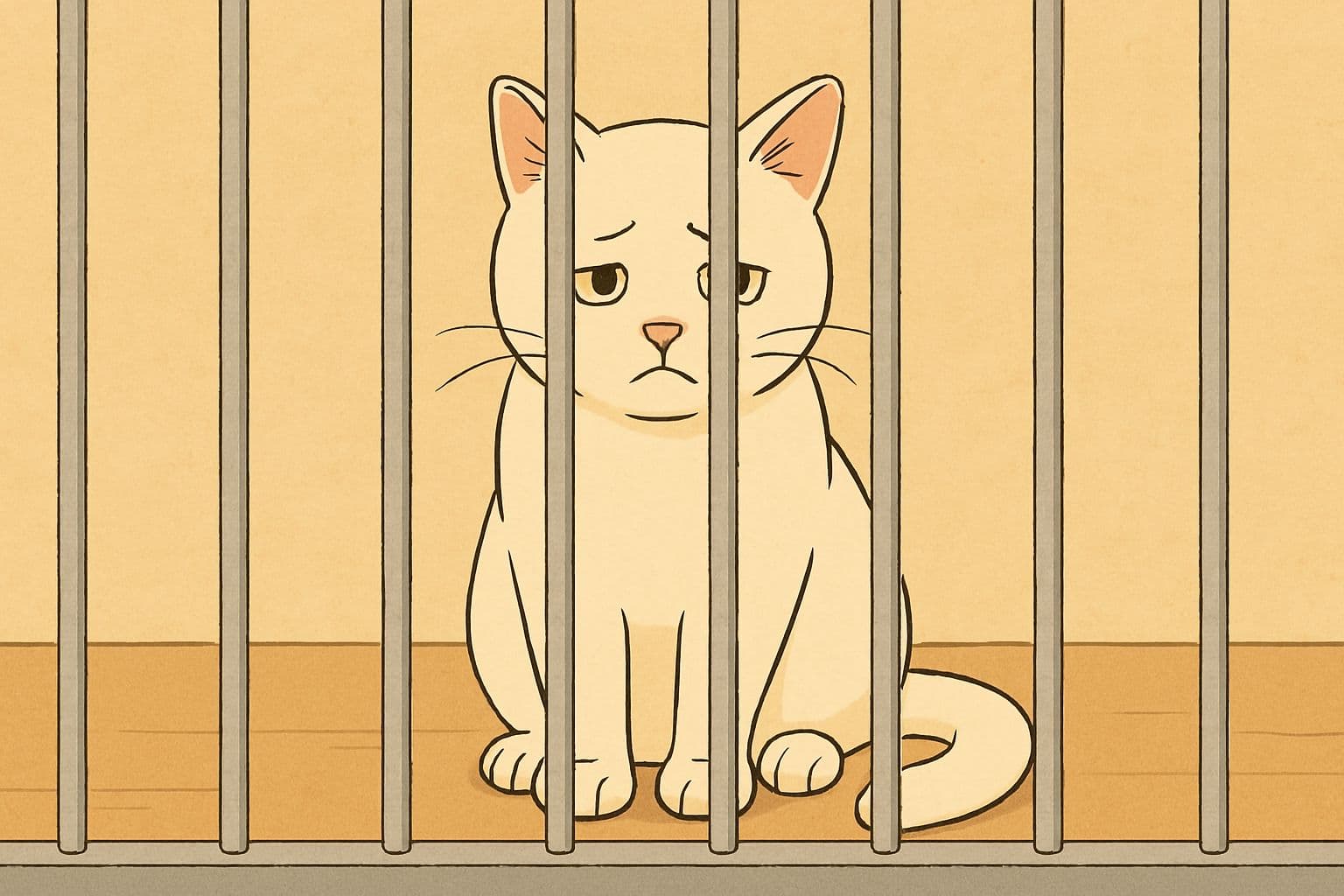
It’s a scene every cat owner knows too well. You pull the suitcase out of the closet, and the atmosphere in the house shifts immediately. Your cat, who was happily napping in a sunbeam three minutes ago, is now sitting on your folded shirts with an expression that ranges from "deeply betrayed" to "suspiciously calculating."
The "Cat Parent Guilt" is a very real phenomenon, particularly in a travel-heavy hub like Singapore. Whether you’re an expat heading home for the holidays or a local taking a quick "revenge travel" trip to Japan, the question remains: What is the kindest thing to do for my cat while I’m gone?
Traditionally, the answer was "The Cattery." But as our understanding of feline psychology has evolved, the "Professional Sitter" model has become the gold standard. In this guide, we’ll break down the pros, cons, and biological realities of boarding vs. sitting, specifically through the lens of Singaporean high-rise living.
1. The Territorial Reality: Why Cats Aren't Dogs
To understand why the choice of care matters, we have to look at how cats perceive the world. Unlike dogs, who are generally "pack-oriented" and find security in their social group (you), cats are "territory-oriented."
A cat’s sense of confidence and safety is physically tethered to their environment. They spend their days meticulously "marking" your HDB or Condo with facial pheromones—rubbing their cheeks against the corner of the sofa, your shins, and the edge of the kitchen counter. To a cat, these pheromones are a map of safety.
When you take a cat to a boarding facility, you are effectively blindfolding them and dropping them in a foreign land. They lose their "map." This is why even the most "luxury" cat hotel can be a source of immense biological stress.
2. The Case for Cat Boarding: Pros and Cons
Cat boarding in Singapore has come a long way. We’ve moved past the days of metal cages in the back of a vet clinic to "boutique hotels" with climbing walls and webcams.
The Pros:
- Constant Supervision: If your cat has a severe medical condition that requires monitoring every few hours, a 24-hour facility might be necessary.
- Climate Control: Most reputable SG catteries are fully air-conditioned, ensuring the cat stays cool in our 32°C humidity.
- Safety: You don't have to worry about a sitter accidentally leaving a door or window open (though Lumo sitters have strict protocols for this).
The Cons:
- The "Sensory Overload": Even if your cat has a private "suite," they can still hear, smell, and see other cats. For a territorial predator, being surrounded by the scents of "intruders" puts them in a permanent state of high alert.
- Travel Anxiety: The stress begins long before you reach the facility. The car ride to the cattery is often the most traumatic part of the trip for many felines.
- The Disease Factor: No matter how strict the vaccination requirements are, communal living increases the risk of Upper Respiratory Infections (URI) and "Cat Flu."
- The Lack of Space: No matter how vertical a boarding cage is, it will never compare to the freedom of a 1,000 sq ft apartment.
3. The Case for Cat Sitting: The "Staycation" Model
This is where Club Lumo lives. Cat sitting involves a professional coming to your home for 30–60 minute visits (or staying overnight) to maintain your cat’s existing life.
The Pros:
- Routine Preservation: Your cat eats at 8:00 AM from the same blue bowl they’ve used for five years. They nap in the same sunbeam. This continuity keeps cortisol levels low.
- Personalized Attention: In a cattery, one staff member might be responsible for 20 cats. A Lumo sitter is there for your cat only. They know if your cat likes the feather wand or the laser pointer.
- Home Security: This is the "hidden" benefit. In a country where HDB corridors are public, having a human enter your home daily, bring in the mail, and move the curtains provides a layer of security that an empty house lacks.
- Health Monitoring in a Natural State: Cats are masters at hiding pain. A cat in a cattery might stop eating out of stress, which can mask actual illness. A cat at home is more likely to show their true physical state.
The Cons:
- The "Alone Time": For 23 hours a day, the cat is alone. For very social breeds (like Siamese or Ragdolls), this can be difficult—which is why we often recommend two visits a day or an overnight sitter for "velcro cats."
- Trust: You are giving a neighbor your house keys. (This is why Club Lumo’s vetting and ID verification are so extreme).
4. The Singapore Factor: Humidity, Grilles, and HDBs
Our local environment adds specific variables to this decision.
The Heat: If you book a sitter, you must consider airflow. Many Singaporeans turn off the AC when they leave. A sitter can ensure fans are running and water fountains are topped up (evaporation happens fast in SG!).
The Grilles: If you live in an HDB and don't have cat-safe meshing, boarding might feel safer. However, we believe safety can be managed at home with the right prep. A sitter can check that all "invisible grilles" are intact and that no adventurous kitty has found a way onto the ledge.
5. The Health Fallout: Stress-Induced Illness
We often see cats return from boarding facilities with Feline Lower Urinary Tract Disease (FLUTD) or Idiopatic Cystitis. These are often triggered by the stress of being in a new environment.
For male cats especially, a stress-induced blockage is a life-threatening emergency. By keeping the cat at home, you significantly reduce the risk of these "stress-triggered" medical bills. A sitter who knows your cat's "litter box habits" can spot a lack of urination on day one, whereas, in a cattery, it might be missed amongst the shared data of multiple cats.
6. How to Decide: The Personality Test
Still not sure? Use this quick checklist:
Choose Boarding IF:
- Your cat requires medical injections every 4–6 hours.
- Your home is undergoing renovations (loud noise/fumes) while you are away.
- Your cat is incredibly social with other cats (rare, but it happens!).
Choose a Club Lumo Sitter IF:
- Your cat is a "hider" or gets scared by loud noises.
- Your cat is a senior (10+ years) and needs a quiet environment.
- You have multiple cats (it’s significantly cheaper and easier than boarding three cats!).
- You want daily, high-definition photo/video updates of your cat in their happy place.
Conclusion: The Verdict
While boarding facilities serve a purpose for medical emergencies, the vast majority of cats will be happier, healthier, and safer staying in their own home.
The "Staycation" model allows your cat to remain the king or queen of their castle. When you return from Changi, instead of picking up a stressed, smelling-of-disinfectant cat from a cattery, you walk through your own front door to a relaxed pet who just thinks you went out for a very long grocery run.
Ready to find a vetted, cat-obsessed neighbor to watch your fur baby? Search for a Lumo Sitter in your neighborhood today.