
The Golden Years: A Comprehensive Guide to Caring for Senior Cats in Singapore

Yana from Club Lumo
Cat Care Specialist • 2025-04-28
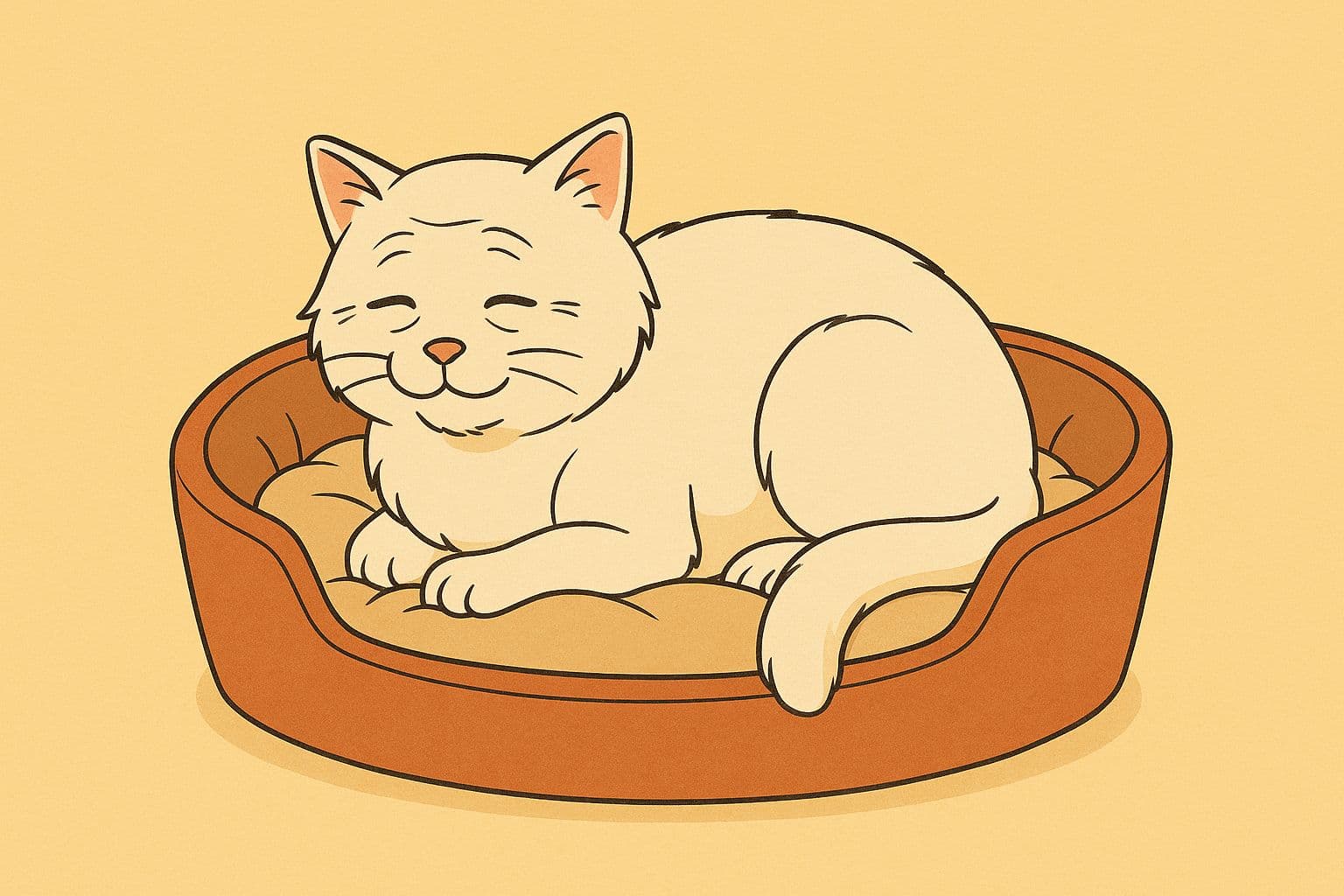
In the feline world, 11 is the new 60. As our cats cross the threshold into their senior years, the changes we see are often subtle. They might jump a little less, sleep a little more, and perhaps become a bit more vocal in the middle of the night. In Singapore, where improved veterinary care and indoor living have significantly extended the feline lifespan, we are seeing more "Super Seniors" (cats aged 15+) than ever before.
However, caring for a senior cat is not the same as caring for an adult cat. Their biological systems are slowing down, their joints are stiffening, and their cognitive world is shifting. For a Singaporean cat parent, the challenge is to adapt the home environment and the care routine to ensure these golden years are lived with dignity and comfort.
This guide dives into the four pillars of senior cat care: Mobility, Metabolic Health, Sensory Changes, and the specialized "Senior SOP" we use at Club Lumo.
1. The Mobility Challenge: Managing the "Hidden" Arthritis
One of the most heartbreaking aspects of feline aging is that cats are programmed to hide orthopedic pain. In a wild setting, a limping cat is a target. Consequently, your 13-year-old tabby won't necessarily cry out or limp; instead, they will simply stop doing the things they love.
Signs of Mobility Issues in HDB/Condo Living:
- The "Hesk": Does your cat hesitate before jumping onto the sofa? They might look up, look down, and then decide to stay on the floor.
- The "Step-Up" Fail: Are they no longer sleeping on your bed? It might be because the jump is now too painful for their hocks or spine.
- Litter Box Aversion: If your litter box has high sides, a cat with arthritis has to "climb" in. If it hurts to climb, they may start urinating just outside the box on the flat floor.
How to Help:
- The "Lumo Ramp": Provide "steps" to their favorite high places. A simple footstool or a set of pet stairs can reopen their world.
- Low-Entry Trays: Swap your top-entry or high-walled boxes for trays with a low entry point (less than 5cm high).
- Ortho-Bedding: In Singapore’s humidity, cold tile floors can be tough on arthritic joints. Provide orthopedic foam beds in warm, draught-free areas of your home.
2. Metabolic Health: The Big Three (Kidneys, Thyroid, Heart)
As cats age, their internal organs face increased wear and tear. In Singapore, three conditions dominate the senior veterinary landscape.
Chronic Kidney Disease (CKD)
This is the leading cause of death in senior cats. The kidneys lose their ability to filter toxins, leading to a build-up of waste in the blood.
- The Red Flag: "Drink more, pee more." If you notice your senior cat hovering over the water fountain more than usual, or if their urine clumps are suddenly the size of grapefruits, they need a blood test immediately.
- Lumo Insight: When sitting for senior cats, we track water intake to the milliliter. A sudden increase in thirst is often the first sign of a CKD "crash."
Hyperthyroidism
If your 14-year-old cat has suddenly developed the appetite of a kitten but is losing weight, they likely have an overactive thyroid. This puts immense strain on the heart and kidneys. It is highly treatable with medication, but early detection is key.
Hypertrophic Cardiomyopathy (HCM)
Heart disease is common in older cats. Look for "heavy breathing" or an increased respiratory rate while they are resting. A healthy resting cat should take fewer than 30 breaths per minute.
3. Sensory and Cognitive Changes: "Sundowning" in the City
Just like humans, cats can develop a form of dementia known as Feline Cognitive Dysfunction (FCD). This can be particularly distressing in the quiet hours of a Singaporean night.
Signs of FCD:
- Night Vocalization: Loud, mournful yowling in the middle of the night for no apparent reason.
- Disorientation: Getting "stuck" in a corner or staring blankly at a wall.
- Changes in Social Interaction: A once-cuddly cat becoming irritable or a distant cat becoming strangely clingy.
Environmental Support:
- Night Lights: Senior cats often suffer from cataracts or reduced night vision. Small plug-in night lights in the hallway and near the litter box can help them navigate the house at night without fear.
- Scent Anchors: Avoid rearranging furniture or using strong new scents. A senior cat with fading vision relies heavily on their "scent map" of your home to feel secure.
4. The "Senior SOP": Why Boarding is Rarely an Option
At Club Lumo, we strongly advise against boarding senior cats in commercial catteries. The immune system of a senior cat is less resilient, and the "stress load" of a new environment can trigger a latent health crisis.
Our Senior Sitting Protocol:
- Passive Socialization: We don't force play. For a senior cat, a "visit" might simply involve the sitter sitting on the floor reading a book or talking softly, providing company without physical exertion.
- Medication Mastery: Many seniors are on "polypharmacy" (multiple meds). Our sitters are trained in stress-free pilling, liquid meds, and even subcutaneous fluids for CKD cats.
- The Comfort Audit: We check for "warmth." Even in Singapore, a senior cat can get chilled if the AC is blasting. We ensure they have "warm zones" to retreat to.
- Hydration Encouragement: We don't just fill the bowl; we "refresh" it. Senior cats are more likely to drink if they see and hear the water being poured.
5. Nutrition: The Protein Puzzle
There is a common myth that senior cats need "low protein" diets. Recent science suggests the opposite: unless they have advanced kidney disease, senior cats actually need more high-quality, easily digestible protein to prevent muscle wasting (sarcopenia).
Look for "Senior" specific foods that are high in Omega-3 fatty acids (for joint health) and antioxidants. In Singapore, many high-end wet food brands offer "Mousse" textures which are easier for cats with dental issues to consume.
Conclusion: Quality Over Quantity
Caring for a senior cat is an exercise in empathy. It’s about slowing down to their pace, noticing the tiny shifts in their behavior, and being their advocate when they can no longer leap as high as they once did.
The goal isn't just to add years to their life, but to add life to their years. With the right medical monitoring, environmental tweaks, and a dedicated sitter who understands the nuance of aging, your cat’s golden years can be their most peaceful and loving chapter yet.
Does your senior cat need specialized care while you travel? Our sitters are experts in senior protocols, from medication administration to mobility support. Find a dedicated senior-cat sitter in your neighborhood.