The Silent Language of Stress: Decoding Feline Anxiety in the City

Yana from Club Lumo
Cat Care Specialist • 2025-07-21
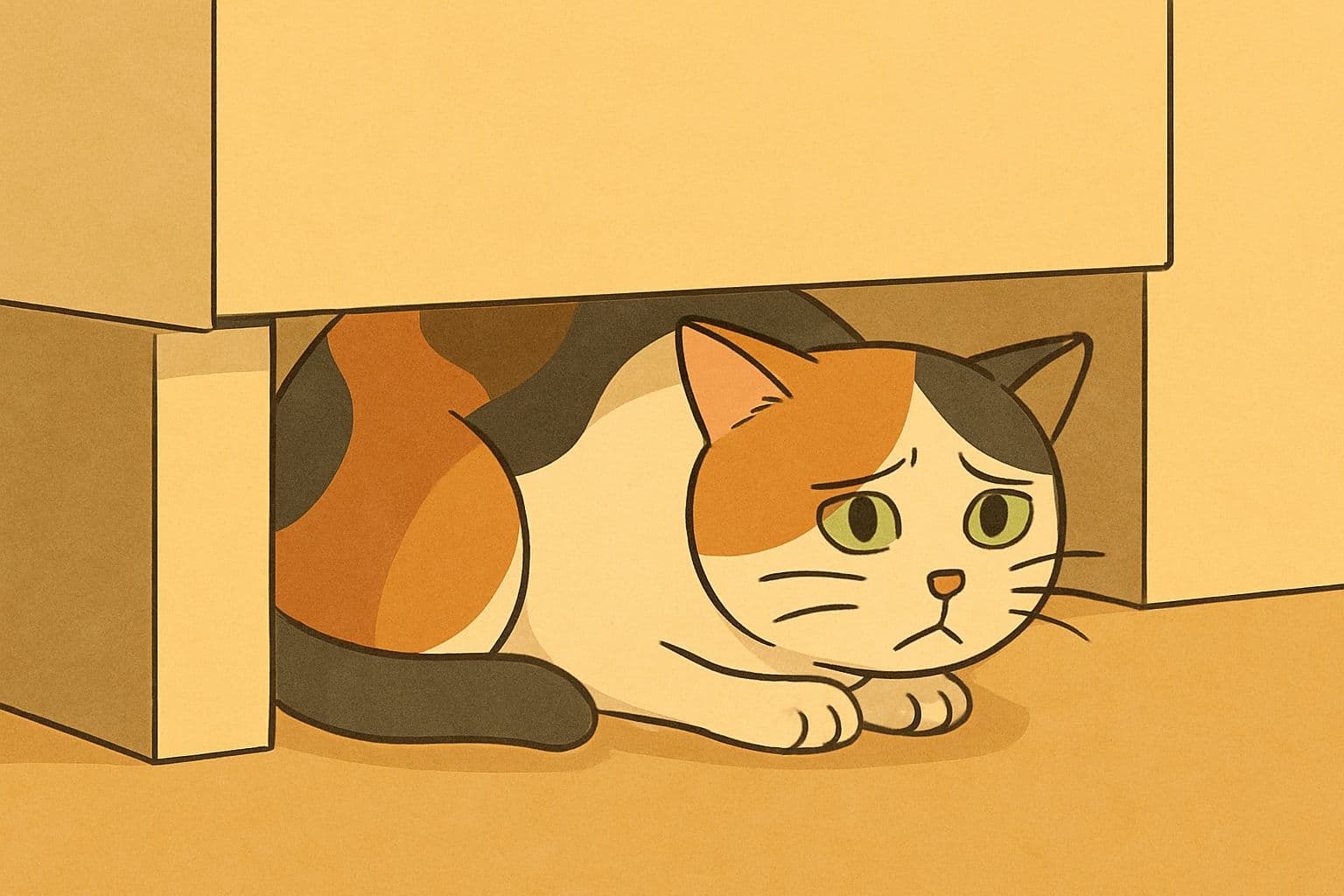
It is a common misconception that cats are "low-maintenance" versions of dogs. While they don't need three walks a day or constant vocal validation, cats are biologically wired with an incredibly sensitive nervous system. In the wild, they are "mesopredators"—meaning they are both hunters and hunted. This evolutionary dual-role makes them masters of the "poker face." A stressed cat rarely barks or whimpers; instead, they suffer in a quiet, calculated silence that many owners mistake for laziness or "just being a cat."
In a high-density, high-sensory environment like Singapore, feline stress is a silent epidemic. Between the constant vibration of HDB renovations, the booming of tropical thunderstorms, and the shifting dynamics of urban households, our cats are often living in a state of "low-grade" chronic anxiety. Understanding how to read these signals is the difference between a cat that is merely surviving and one that is truly thriving.
1. The Anatomy of Feline Anxiety: Subtle Physical Clues
When a cat is terrified, the signs are obvious: dilated pupils, flattened ears, hissing, and an arched back. However, chronic stress—the kind that persists over weeks or months—is much more insidious.
Displacement Grooming
Have you noticed your cat licking their belly or the inside of their legs until the fur is thin or completely gone? In the veterinary world, this is often called psychogenic alopecia. Just like humans might bite their nails when nervous, cats use the repetitive motion of grooming to release endorphins. If you see "bald patches" that aren't accompanied by red, irritated skin, you are likely looking at a cat trying to self-soothe.
The "Airplane Ears" and Jaw Tension
A relaxed cat has ears that face forward and a jaw that is loose. A stressed cat often displays "airplane ears"—ears rotated slightly outward and flattened. Furthermore, look at their muzzle. If the whisker pads look "bunched" or tight, the cat is experiencing facial tension.
Skin Rippling (Feline Hyperesthesia)
If you see your cat’s skin "rolling" or rippling along their back, followed by a sudden, frantic burst of grooming or running, their nervous system is likely on high alert. This is often a physical manifestation of environmental overstimulation.
2. Behavioral Shifts: When "Bad Behavior" is a Cry for Help
The most tragic result of feline stress is when an owner interprets a cry for help as a behavioral problem to be punished.
Inappropriate Urination (The #1 Stress Signal)
If a healthy cat suddenly stops using the litter box and starts urinating on your bed, the sofa, or near the front door, they aren't "being spiteful." In the cat world, urine is a scent-marker. By depositing their scent in prominent areas, they are trying to "reinforce" their territory because they feel threatened. In Singapore’s high-rise environment, this is often triggered by the scent of a neighbor's cat drifting in from the common corridor or the sound of a new dog barking next door.
The "Muted" Cat
Stress can also sap a cat’s personality. A cat that used to greet you at the door but now spends 22 hours a day under the bed isn't just "mellowing out" with age. Withdrawal is a primary defense mechanism. If your cat has stopped engaging with their favorite feather wand or no longer "talks" to you, it’s time to audit their stress levels.
3. The Singaporean Context: Unique Urban Stressors
Living in the "Little Red Dot" presents challenges that cats in rural environments never face.
The Thunderstorm Factor
Singapore has one of the highest rates of lightning activity in the world. The sudden drop in barometric pressure before a storm can be felt by cats long before we hear the first rumble. For a cat, the booming of a tropical storm is not just loud; it is a vibration that shakes their entire territory.
The "Concrete Echo" of Renovations
In HDB flats and Condos, sound travels through the structure. The high-pitched whine of a drill three floors up can sound like it’s inside your cat’s ears. Because cats hear frequencies far above the human range, what we consider "annoying background noise" can be physically painful for them.
Scent Pollution
Singaporeans love their essential oils and strong cleaning products. However, a cat’s sense of smell is 14 times stronger than ours. Using a citrus-scented floor cleaner might make your home smell "fresh" to you, but to your cat, it’s like living inside a chemical cloud. Citrus, lavender, and eucalyptus are often perceived as a "territorial threat" or a deterrent.
4. The Lumo Approach: How to Reset a Stressed Home
At Club Lumo, our sitters are trained not just to feed cats, but to "read" them. If you suspect your cat is stressed, here is the protocol we recommend:
Vertical Real Estate
In a small apartment, the only way is up. A stressed cat feels safest when they can overlook their "kingdom." Ensure your cat has access to the top of a wardrobe or a high cat tree. Being high up allows them to observe "threats" (like the vacuum cleaner or a new sitter) from a position of power.
The "Safe Haven" Rule
Establish a "Touch-Free Zone." This is usually a cardboard box or a specific bed. The rule for everyone in the house (and your sitter) is simple: If the cat is in their safe haven, they are invisible. No petting, no picking them up, no staring. This gives the cat a sense of 100% control over their physical safety.
Pheromone Therapy
Synthetic pheromones (like Feliway) can be a game-changer in urban Singapore. These diffusers mimic the "happy markers" cats leave when they rub their cheeks on things. Plugging one in near their favorite sleeping spot can lower their baseline anxiety and reduce "territorial" marking.
5. Managing Stress During Your Absence
The most stressful time for any cat is when their "primary protector" (you) leaves. The sudden change in routine can trigger a spike in anxiety.
This is why we focus so heavily on the Entry Ritual. When a Club Lumo sitter enters your home, we don't barge in. We enter, speak softly, and then—critically—we sit on the floor and wait. For an anxious cat, the best thing a stranger can do is ignore them. By not forcing interaction, the sitter proves they aren't a threat.
We also encourage "Scent Swapping." Before you head to Changi, leave a worn t-shirt in your cat's bed. Your scent acts as a "security blanket," providing a familiar anchor while your sitter handles the daily logistics of care.
Conclusion: Empathy Over Judgment
A stressed cat is not a "broken" cat or a "difficult" cat. They are a sensitive creature trying to navigate a world that is often too loud, too bright, and too unpredictable. By shifting our perspective from "Why is my cat doing this?" to "How is my cat feeling?", we can transform our homes into the sanctuaries they deserve.
Does your cat need a gentle, informed hand while you're away? Our sitters understand the nuance of feline behavior and specialize in keeping stress levels low. Find a sitter who speaks your cat's language.