
Medication Mastery: How to Pill a 'Spicy' Cat Without the Stress

Thomas from Club Lumo
Cat Care Specialist • 2025-09-21
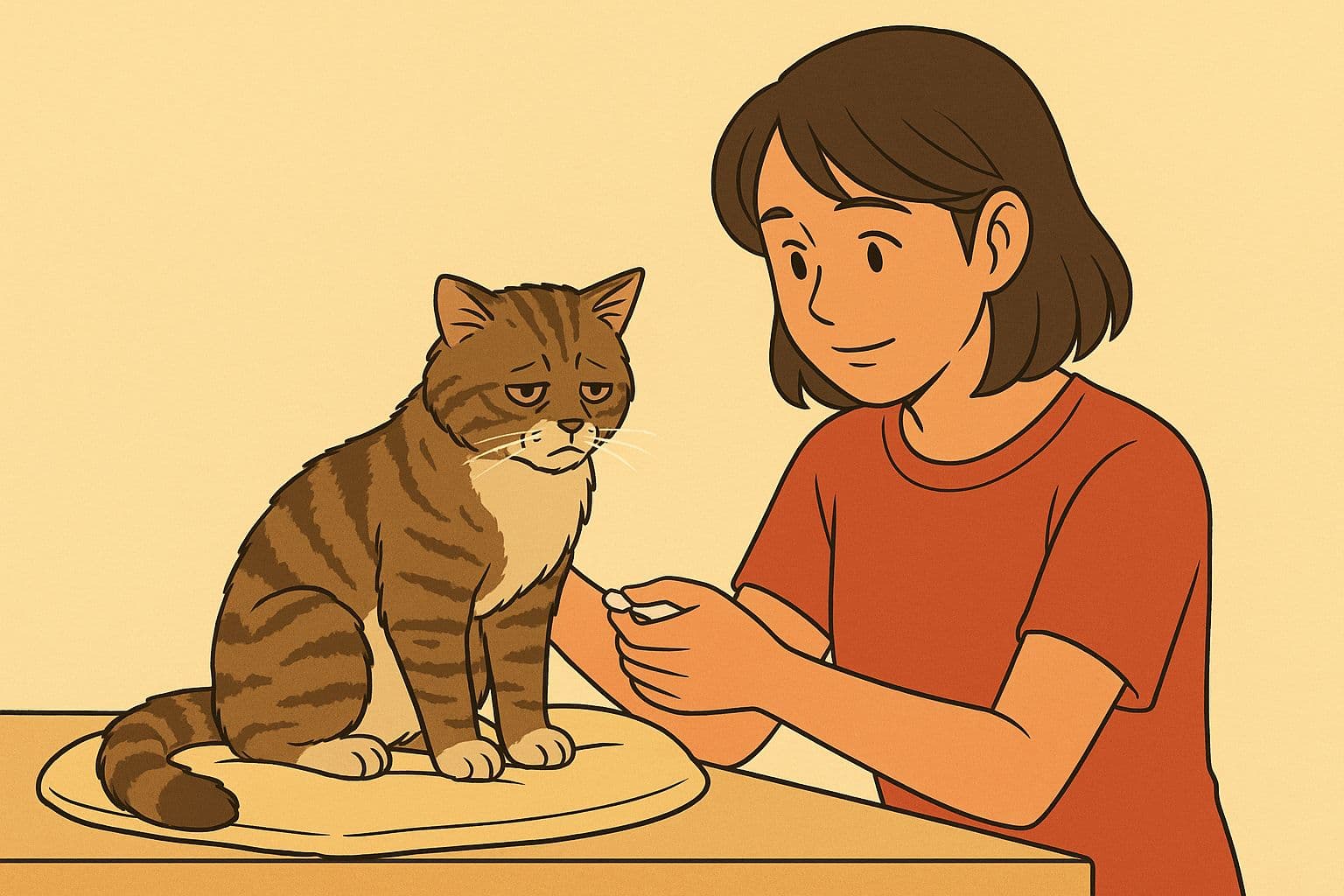
"My cat is an angel... until the pill bottle comes out."
If this sentence resonates with you, you aren't alone. In the feline world, "compliance" is a relative term. Cats are biologically designed to be suspicious of new smells and resistant to being restrained. When you combine their lightning-fast reflexes with sixteen razor-sharp claws, a simple daily antibiotic can quickly turn into a household battle that leaves both the owner and the cat traumatized.
At Club Lumo, we believe that medication should be a medical necessity, not a source of relational friction. Whether your cat needs daily thyroid pills, liquid heart meds, or even insulin injections, mastering the "art of the pill" is a vital skill for every Singaporean cat parent.
This guide breaks down the professional techniques we use to ensure our feline clients stay healthy without losing their trust in humans.
1. The Psychology of Pilling: Why They Fight Back
To a cat, having their jaw forced open and a foreign object shoved down their throat feels like an attack. Their instinct is to protect their airway and their mouth—one of their most sensitive areas.
The goal of "Medication Mastery" is to bypass this instinct by either disguising the medication or performing the task so efficiently that the cat barely has time to register it happened.
2. Technique #1: The Stealth Approach (Disguise)
Before you resort to physical pilling, always explore the path of least resistance.
Pill Pockets and Treats
In Singapore, products like Pill Pockets are widely available. These are malleable, high-value treats with a hole in the center.
- The Trick: Use the "Three-Treat Sequence." Give one empty pocket, then the one containing the pill, followed immediately by a third empty "chaser." This prevents the cat from stopping to chew and discover the "surprise" inside.
The "Churu" Hack
Many cats in Singapore are addicted to liquid treats like Churu or Ciao.
- For Tablets: If the pill is small and not bitter, you can crush it into a fine powder (check with your vet first, as some meds are "slow-release" and cannot be crushed) and mix it into a tablespoon of liquid treat.
- For Liquids: Mix the liquid medication directly into the treat. The strong fishy scent of the treat often masks the chemical smell of the medicine.
3. Technique #2: The Professional Pill (The "Pop and Drop")
If your cat is a "master sorter" who can eat around a pill in their food, you will need to manually administer it.
Step-by-Step Guide:
- The Environment: Place the cat on a waist-high surface like a kitchen counter or a sturdy table. Do not try to do this on the floor; it gives the cat too many escape routes.
- The Grip: Use your non-dominant hand to cup the top of the cat's head. Place your thumb and middle finger on the hinges of the jaw (behind the canine teeth).
- The Tilt: Gently tilt the head back until the nose is pointing at the ceiling. In this position, the lower jaw naturally relaxes.
- The Drop: Use your dominant hand to pull down the lower jaw and drop the pill as far back on the tongue as possible.
- The Closing Ritual: Close the mouth and gently stroke the throat to stimulate swallowing. Never blow in their face, as this can cause them to inhale the pill.
Lumo Pro Tip: Follow every pilled dose with a small amount of water (using a syringe) or a tasty treat. This ensures the pill doesn't get "stuck" in the esophagus, which can cause irritation or "pill esophagitis."
4. Technique #3: The "Burrito" (The Towel Wrap)
If your cat is "spicy"—meaning they use their claws to deflect your hands—the towel wrap is your best friend.
- Spread a large towel on the counter.
- Place the cat in the center.
- Wrap the towel snugly around their neck and body, tucking their legs in. It should look like a "purr-ito."
- This keeps the claws safely tucked away, allowing you to focus entirely on the head and mouth. It also provides the cat with a sense of "swaddled" security, which can actually lower their heart rate.
5. Handling Liquid Medication
Liquid medication is often easier for the owner but harder for the cat. Many liquids are bitter and can cause the cat to foam at the mouth (a harmless but scary-looking reaction).
- The Side Entrance: Never point a syringe directly down the throat; this can cause the cat to aspirate the liquid into their lungs. Instead, slide the syringe into the "pocket" between the cheek and the teeth.
- Slow and Steady: Administer 0.2ml at a time to give the cat a chance to swallow.
6. The Sitter’s Role: Maintaining the Schedule
When you travel, the medication schedule shouldn't. One of the most common reasons owners book with Club Lumo is for our medical expertise.
Why Sitter Medication is Different:
- The "Stranger" Factor: A cat might allow their owner to pill them but hide from a stranger. Our sitters use "Passive Socialization" first to build trust before attempting medical care.
- Consistency: We log every dose in our app, ensuring that your cat's therapeutic levels (especially for heart or thyroid meds) never drop.
- Injections: For diabetic cats, our sitters are trained in subcutaneous insulin administration. We coordinate with your vet's specific timing to ensure glucose levels stay stable.
7. When to Call the Vet
If the process is becoming so stressful that your cat is stopped eating or is hiding from you for hours after a dose, stop. Stress can exacerbate many conditions (like heart disease or FIC).
Talk to your vet about:
- Compounded Meds: Many medications can be turned into flavored "chews" or "transdermal gels" that you simply rub into the inside of the cat's ear.
- Injectable Alternatives: Some antibiotics now come in a long-acting injectable form (like Convenia) that lasts for 14 days, removing the need for daily pilling.
Conclusion: It’s About the Relationship
At the end of the day, your cat doesn't know the pill is for their own good. They only know how the experience makes them feel. By using high-value rewards, efficient techniques, and professional support when you're away, you can ensure that medical care remains a small, stress-free part of your cat's long and happy life in Singapore.
Heading away and worried about your cat’s meds? Don't leave it to a neighbor who "likes cats." Book a Lumo sitter who is trained in medical administration and senior care. Browse our medically-vetted sitters.