Tropical Hydration: Beating the Singapore Heat for Indoor Cats

Thomas from Club Lumo
Cat Care Specialist • 2025-11-01
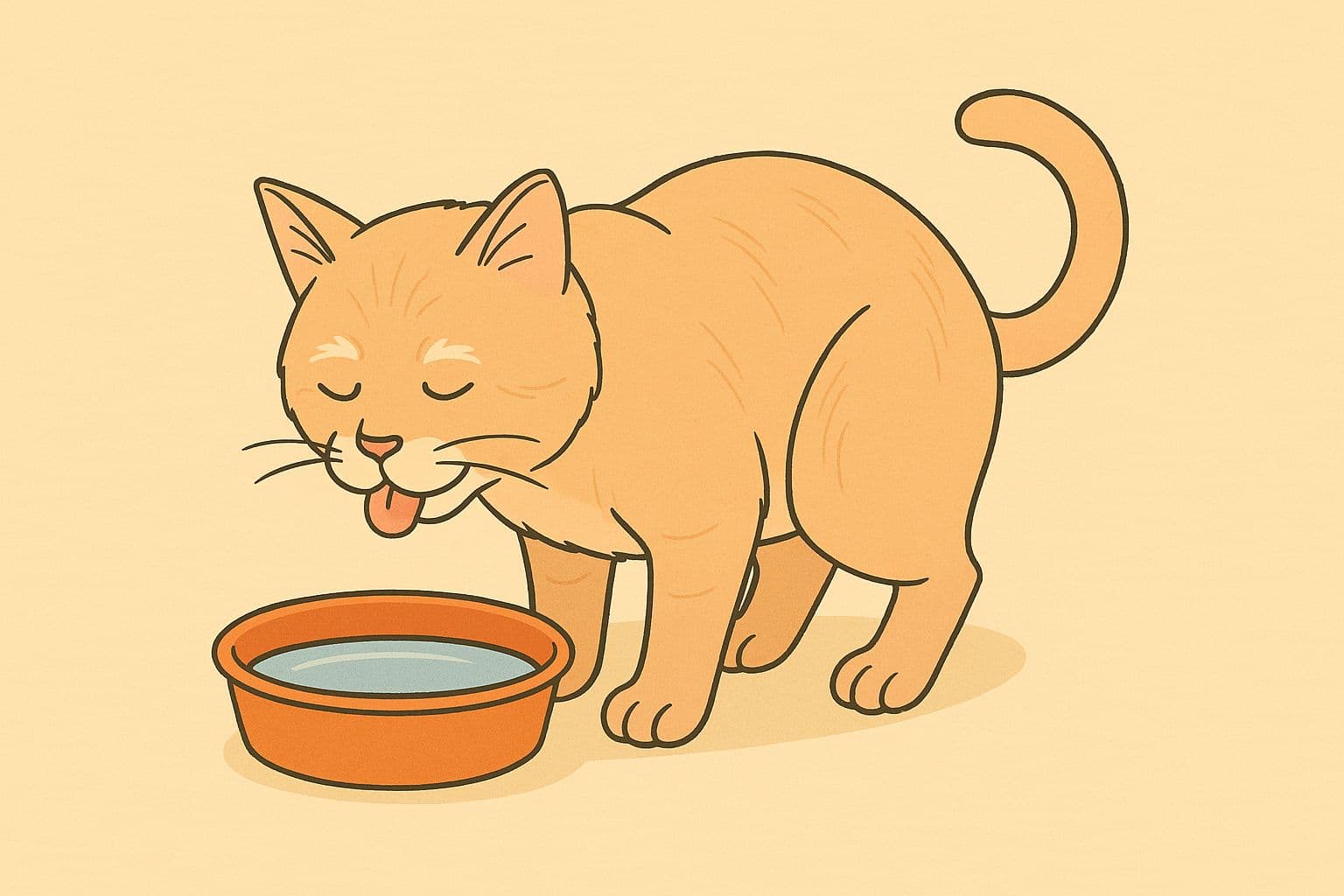
Singapore is famously known as the "Garden City," but for a biological desert-dweller like the domestic cat, it is a land of invisible challenges. With an average year-round temperature of 30°C to 32°C and humidity that rarely drops below 75%, the tropical environment of our HDB flats and Condos places a significant strain on feline physiology.
While we have air-conditioning and cold iced tea to keep us comfortable, our cats rely on subtle biological mechanisms to regulate their temperature. The most critical of these is hydration. However, cats are notorious for having a "low thirst drive." They did not evolve to drink large amounts of water from bowls; they evolved to get their moisture from the blood and tissues of their prey.
In this 1,000-word guide, we dive into the science of tropical hydration, the dangers of "sub-clinical" dehydration, and the practical steps you can take to ensure your cat stays "Lumo-levels" of hydrated in the Singapore heat.
1. The Biology of the "Desert Cat"
To help our cats, we must first understand their history. The domestic cat (Felis catus) is a descendant of the Near Eastern wildcat, a creature that lived in arid, desert environments. In the desert, water sources are scarce and often contaminated. Consequently, cats evolved to be highly efficient with water. Their kidneys are capable of concentrating urine to an extraordinary degree to prevent water loss.
However, this efficiency is a double-edged sword. In a modern Singaporean home, where we often feed dry kibble (which is only 10% moisture) instead of fresh prey (which is 70% moisture), the cat’s "concentrated urine" becomes a breeding ground for crystals and stones. When you add the relentless heat of a Singapore afternoon, even a cat that looks fine can be suffering from chronic, sub-clinical dehydration.
2. Signs of Dehydration in the Tropics
Dehydration isn't always as obvious as a cat panting (which, in cats, is actually a medical emergency). You have to look for the "Dry Clues."
- The Skin Turgor Test: Gently pinch the skin between your cat’s shoulder blades. In a well-hydrated cat, the skin should snap back instantly. If it lingers or moves back slowly, your cat is dehydrated.
- Tacky Gums: Feel your cat’s gums. They should be "slippery" and wet. If they feel "tacky" or sticky to the touch, their moisture levels are low.
- Sunken Eyes: In severe cases, the eyes may appear slightly recessed into the sockets.
- Litter Box Clumps: If you are finding fewer or significantly smaller urine clumps than usual, the cat's kidneys are working overtime to conserve water.
3. The "Wet Food" Revolution
If you only take one piece of advice from this guide, let it be this: Water is best served in a bowl of food, not just a bowl of water.
In Singapore, the "Dry Kibble Culture" is a major contributor to urinary emergencies. A cat eating only dry food drinks about half as much total water as a cat eating wet food, even if the dry-fed cat spends more time at the water bowl.
The Lumo Hydration Hack:
If your cat is a "kibble addict," try a gradual transition. Start by adding a single teaspoon of warm water to their dry food. Once they accept that, move to "toppers"—adding a spoonful of wet food or Churu on top. The goal is to get their kidneys "flushing" regularly, reducing the concentration of minerals in the bladder.
4. The Science of the Water Fountain
Have you ever noticed your cat trying to drink from a dripping kitchen tap? This isn't just a quirky behavior; it’s an evolutionary instinct. In the wild, "still" water (like a pond or a puddle) is often stagnant and carries bacteria. "Running" water is generally fresher and safer.
In a Singaporean HDB, a water fountain is not a luxury; it’s a medical tool.
- The Oxygen Factor: Running water is more oxygenated, which tastes better to a cat’s sensitive palate.
- The Filtration Factor: Most fountains come with carbon filters that remove the "chlorine" taste of Singaporean tap water.
- The Sound Factor: The sound of bubbling water acts as a "behavioral cue," reminding the cat to take a sip every time they walk past.
Placement Matters
Do not place the water fountain directly next to the food bowl. Cats naturally avoid drinking near their "kill" to avoid contamination. Place fountains in several rooms—the living room, a bedroom, and the kitchen—to encourage "opportunistic drinking" throughout the day.
5. Managing the Heat: Beyond the Water Bowl
Hydration is half the battle; the other half is temperature management. In many Singaporean households, the AC is turned off during the day while owners are at work.
- The Ceramic Cool-Down: Ceramic tiles are a cat’s best friend in the heat. Ensure your cat has access to tiled areas (like the kitchen or bathroom) where they can "belly-flop" to transfer their body heat to the cool stone.
- The Circulating Fan: Even without AC, a simple standing fan can prevent "heat pockets" in your HDB. Ensure the fan is set to oscillate so the cat can choose to sit in the breeze or move away.
- The "Ice Cube" Trick: On particularly hot days (especially during the "Haze" season), drop two large ice cubes into their water fountain. It provides mental stimulation (they might try to "fish" for them) and keeps the water temperature invitingly cool.
6. The Sitter’s Hydration SOP
When you travel, your cat’s water intake often drops due to the stress of your absence. This is why our Club Lumo sitters follow a strict Hydration Standard Operating Procedure (SOP):
- The Daily Scrub: We don't just "top up" water. Biofilm (the slimy layer of bacteria) grows incredibly fast in Singapore’s humidity. We scrub the bowl or fountain every day.
- The Water Log: We note the water level in our daily updates. If we notice a cat hasn't touched their water, we might proactively mix a "tuna soup" (water mixed with the juice from a can of tuna in water) to encourage drinking.
- The "Freshness" Ritual: Cats love "fresh" water. We often pour water in front of the cat so they hear the splash, which often triggers an immediate drinking session.
7. A Note on "Milk" and Broths
Avoid giving your cat "supermarket" cow’s milk. Most cats are lactose intolerant, and the resulting diarrhea will cause them to lose more water than they gained. If you want to give a treat, use "Cat Milk" (which is lactose-free) or specifically formulated "Pet Broths" found in SG pet stores.
Conclusion: A Long, Hydrated Life
In the lush, humid landscape of Singapore, water is the foundation of feline health. By respecting their desert-dweller instincts and providing them with multiple "running" water sources and moisture-rich food, you are doing more than just quenching their thirst—you are protecting their kidneys, preventing painful urinary blockages, and ensuring their golden years are long and vibrant.
The next time you hear your water fountain bubbling in the corner of your living room, think of it as the sound of health.
Planning a trip and worried about the Singapore heat? Our sitters are experts in tropical hydration and temperature management for indoor cats. Book a Lumo sitter who prioritizes your cat's health.