Toxic Greenery: A Guide to Cat-Safe (and Lethal) Plants in Singapore

Thomas from Club Lumo
Cat Care Specialist • 2025-12-13
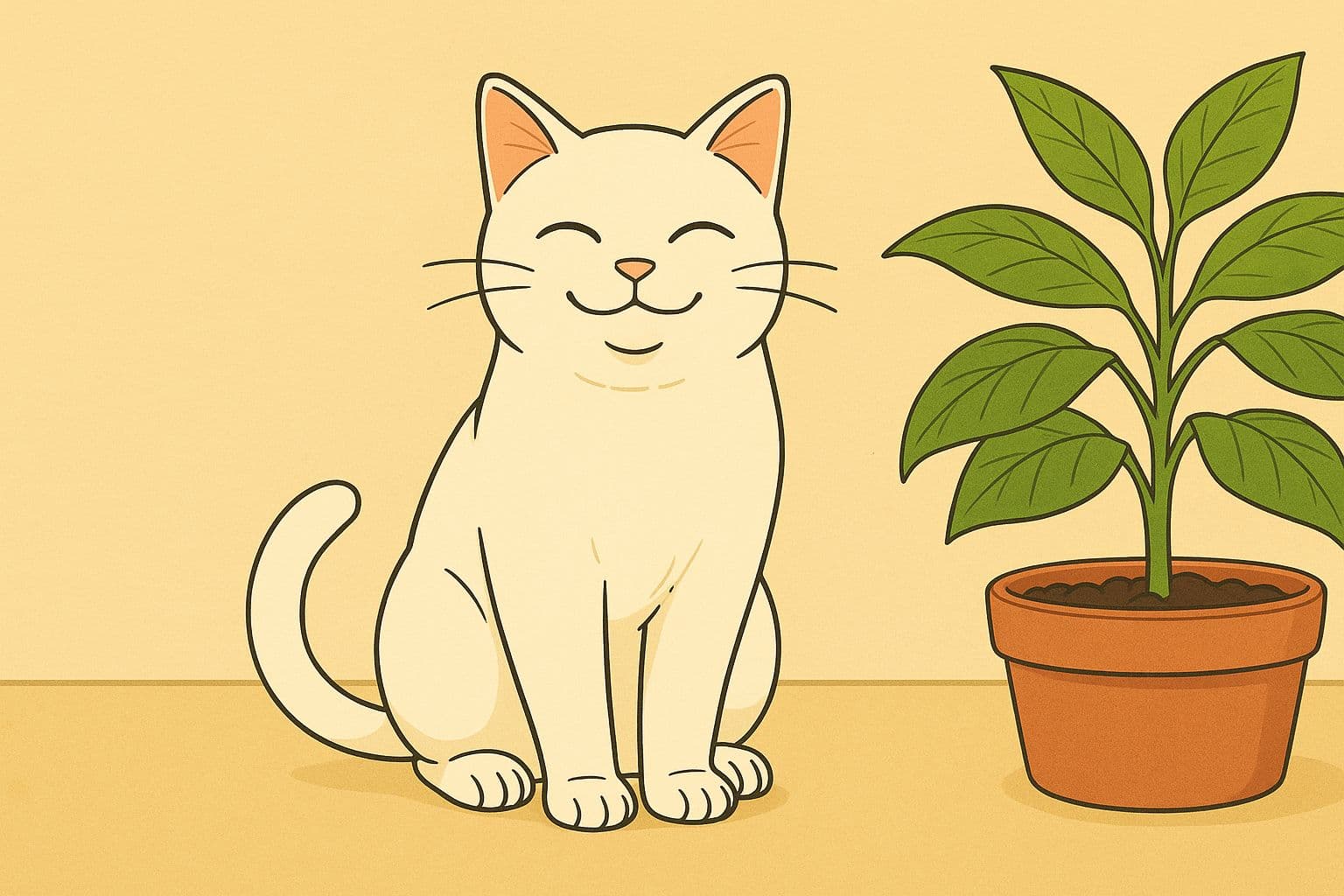
Singaporeans have a deep-seated love for greenery. Whether it’s a lush balcony garden in a Serangoon HDB or a minimalist collection of aroids in a Bukit Timah condo, indoor plants are the cornerstone of local interior design. However, there is a hidden danger lurking in those terracotta pots. Many of the most popular houseplants sold in nurseries across Thomson Road and Far East Flora are highly toxic—and in some cases, lethal—to cats.
As curious, obligate carnivores, cats often chew on plants to aid digestion or simply out of boredom. In an indoor environment, they don't have the natural intuition to distinguish a "safe" blade of grass from a "lethal" Lily. For a Singaporean cat owner, knowing exactly what is in your potting mix is a life-saving skill.
In this 1,000-word guide, we identify the "Big Offenders" in Singaporean homes, the symptoms of poisoning, and how to build a lush, feline-friendly "indoor jungle."
1. The Lethal List: Never Bring These Home
If you have a cat, these plants should be banned from your premises entirely. Even a small amount of ingestion or, in some cases, just the pollen, can lead to organ failure.
The Lily (Lilium and Hemerocallis species)
The "True Lily" (including Tiger, Day, Asiatic, Easter, and Japanese Showy lilies) is the most dangerous plant for cats. Every part of the plant is toxic—the petals, the leaves, the stem, and even the water in the vase.
- The Danger: Ingesting even two or three petals or licking pollen off their fur can cause acute kidney failure in less than 72 hours.
- The Singapore Context: Lilies are common in supermarket bouquets and CNY floral arrangements. If you receive them as a gift, give them away immediately.
Sago Palm (Cycas revoluta)
Frequently used in local landscaping and as "bonsai" indoor plants, Sago Palms are architectural and beautiful but contain cycasin.
- The Danger: Ingesting the seeds (nuts) or leaves causes severe liver failure and gastrointestinal bleeding. The survival rate for cats who ingest Sago Palm is unfortunately low, even with aggressive vet care.
Azaleas and Rhododendrons
Often sold during festive seasons in Singapore, these contain grayantoxins which disrupt the sodium channels in a cat's cells.
- The Danger: Ingestion leads to vomiting, drooling, diarrhea, and in severe cases, a drop in blood pressure and coma.
2. The "Irritants": Common But Problematic
These plants are less likely to be fatal but will cause significant pain, swelling, and "Spicy Mouth" (oral irritation). Most of these contain insoluble calcium oxalate crystals, which feel like tiny shards of glass to a cat’s throat.
The Aroids (Monstera, Philodendron, Pothos)
The "Instagram-famous" plants. Monsteras (Swiss Cheese Plant) and Pothos (Money Plant) are in almost every Singaporean home.
- The Symptom: If a cat bites a leaf, they will immediately start drooling, pawing at their mouth, and may experience swelling of the upper airway.
- The Strategy: If you must keep these, they must be in hanging planters or on high shelves where a cat cannot reach them.
Snake Plants (Sansevieria)
The ultimate "unkillable" HDB plant. Unfortunately, they contain saponins.
- The Symptom: Nausea, vomiting, and diarrhea. While rarely fatal, they cause significant gastrointestinal distress.
3. Recognizing Plant Poisoning
If you suspect your cat has chewed on a mystery plant, time is your most valuable asset. Do not wait for symptoms to appear, as internal damage (especially to the kidneys) often happens before the cat "looks" sick.
- Oral Signs: Excessive drooling, foaming at the mouth, or a bright red tongue/gums.
- Gastrointestinal Signs: Sudden, repeated vomiting or diarrhea.
- Behavioral Signs: Extreme lethargy, hiding, or "drunken" walking (ataxia).
- The "Lumo" SOP: Our sitters are trained to do a "Plant Audit" upon arrival. If we see a chewed leaf on a toxic plant, we don't wait. We photograph the plant and the cat and contact the owner and the vet immediately.
4. How to Build a Cat-Safe "Indoor Jungle"
You don't have to choose between being a "Plant Parent" and a "Cat Parent." There are many stunning, tropical plants that are 100% non-toxic to felines.
The "Safe" Tropicals:
- Areca Palm: A great, large-scale alternative to the Sago Palm. It’s non-toxic and excellent for air purification.
- Boston Fern: Lush, hanging greenery that is safe even if your cat decides to bat at the fronds.
- Spider Plants: Very easy to grow in Singapore. Note: Spider plants are mildly hallucinogenic to cats (like catnip), so they may be too attracted to them!
- Calathea (Prayer Plants): Stunning leaf patterns and completely safe. They love Singapore’s humidity, making them a perfect match for local homes.
- Orchids (Phalaenopsis): The national flower of Singapore is, fortunately, cat-safe.
5. Prevention: Deterrents and Distractions
If you have "borderline" plants (like Pothos) that you want to keep, you need a strategy to keep your cat’s teeth away from them.
- Bitter Sprays: Apply a pet-safe bitter apple spray to the leaves. Most cats hate the taste and will learn to avoid the plant after one "test bite."
- Provide a "Sacrificial" Plant: Grow a pot of Cat Grass (wheatgrass) or Catnip right next to your decorative plants. If the cat has a "legal" greenery to chew on, they are less likely to bother your Monstera.
- Aluminum Foil: Many cats hate the feel of foil on their paws. Wrapping the base of a large floor plant in foil can prevent them from digging in the soil or getting close to the trunk.
6. The Sitter’s Responsibility
When you are on vacation, a Club Lumo sitter acts as the "Safety Warden" for your home.
- The Morning Check: We look for fallen leaves or overturned pots.
- Symptom Vigilance: Because we know your cat’s baseline behavior, we can spot the subtle lethargy that follows plant ingestion.
- The "Bouquet" Rule: We advise owners to never have floral deliveries sent to the house while they are away, as we cannot be there 24/7 to ensure a Lily isn't being chewed.
Conclusion: A Harmonious Home
Creating a "Green Home" in Singapore is a way to find peace in our urban landscape. By choosing non-toxic species and placing "irritants" out of reach, you ensure that your home remains a sanctuary for both your plants and your pets.
Remember: when in doubt, check the ASPCA Toxic Plant Database before you buy that new nursery find. A few minutes of research can prevent a lifetime of regret.
Heading to the nursery or heading on holiday? Ensure your cat is safe with a Lumo sitter who knows the difference between a harmless fern and a deadly lily. Find a safety-conscious sitter today.