
Multi-Cat Diplomacy: Managing Harmony in a High-Rise Household

Yana from Club Lumo
Cat Care Specialist • 2026-01-03
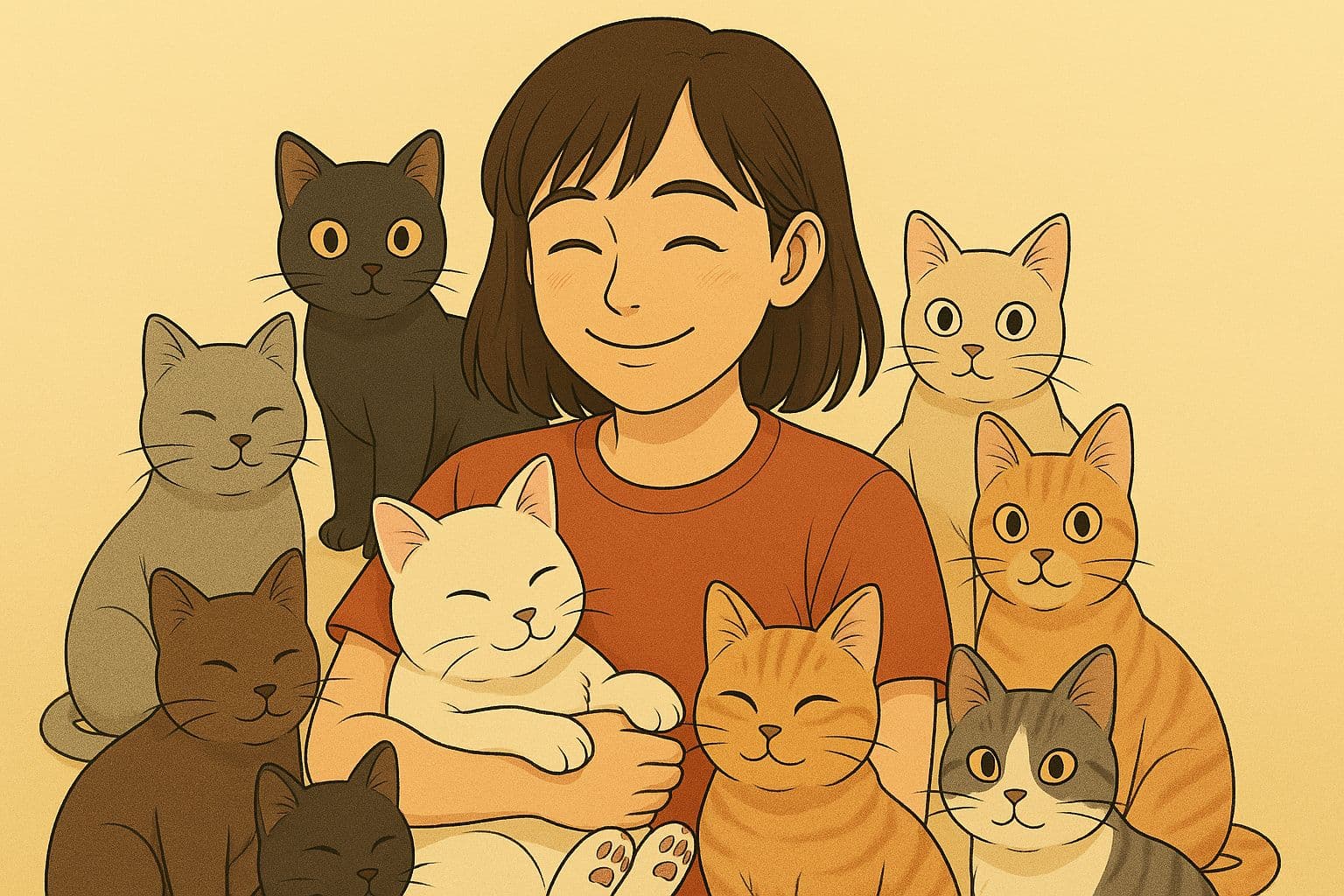
Singapore is a nation of multi-cat households. Perhaps it started with one "rescue" kitten, and then a foster-fail occurred, and suddenly you find yourself sharing a three-bedroom HDB with four distinct feline personalities. While the idea of a "clowder" of cats cuddling together is the dream, the reality of multi-cat living in a dense urban environment often involves subtle power struggles, "staredowns" over the litter box, and the occasional midnight skirmish.
In the wild, cats are solitary hunters, but they are socially flexible. They can live in colonies, provided there is an abundance of resources. However, in a 900-square-foot apartment, "abundance" is harder to achieve. When space is limited, the management of resources—food, water, territory, and even your attention—becomes the key to preventing chronic stress and physical illness.
This guide explores the Lumo philosophy on multi-cat diplomacy: how to identify "micro-factions," how to optimize your HDB layout, and how our sitters maintain the peace while you are away.
1. The Multi-Cat Math: The N+1 Rule
The most common mistake in multi-cat households is underestimating the need for "redundancy." In feline psychology, if there is only one of something, it can be guarded. If it can be guarded, it can be fought over.
The Litter Box Equation
The gold standard for feline welfare is N+1. If you have three cats, you should ideally have four litter boxes. In a Singaporean condo or HDB, finding space for four boxes is a challenge.
- The Strategy: Do not place all boxes in the same room. If all three boxes are in the service yard, a "bully" cat can sit in the doorway and prevent the "victim" cat from accessing any of them. Distribute boxes across different "territories" in the home to ensure every cat has a safe exit and entry.
Feeding Stations
Feeding all cats in a line in the kitchen is a recipe for silent stress. Even if they aren't fighting, the "subordinate" cat may be eating too fast out of anxiety, leading to the "scarf and barf" phenomenon.
- The Strategy: Separate feeding stations by at least two meters, or better yet, in different rooms. This allows each cat to eat without the "social pressure" of a housemate staring them down.
2. Recognizing "Passive Aggression"
Cat conflict in a multi-cat home is rarely about hissing and fur flying. It is usually much more subtle.
Identifying the "Gatekeeper"
Have you noticed one cat sitting in the middle of the hallway, seemingly just "chilling"? Look closer. If another cat is waiting at the end of the hallway, unable to pass to reach the water bowl or the bed, you have a gatekeeper. This is a display of territorial dominance.
The "Stare-Down"
Cats use eye contact as a weapon. If one cat is staring intensely at another while they are trying to sleep or eat, that is an act of aggression. Over time, the cat being stared at will experience a spike in cortisol, which can lead to the urinary issues (FLUTD) we discussed in earlier articles.
3. Creating "Vertical Real Estate"
In a Singaporean apartment, you cannot expand your floor plan, but you can expand your "cat-space" by going vertical. This is the single most effective way to reduce tension in a multi-cat home.
- The "Superhighway": Aim to create a path around a room that allows a cat to travel without touching the floor. This can be achieved with a mix of cat trees, wall-mounted shelves, and the tops of wardrobes.
- Why it Works: Vertical space allows cats to stay in the same room while maintaining a "social distance." High perches also provide a sense of security; a cat that feels high up feels less vulnerable to an ambush from a housemate.
4. Introducing a New Member: The Slow Burn
If you are adding a new cat to your Singaporean household, never simply put them together and "let them figure it out." This can cause irreparable damage to their future relationship.
- Scent Swapping: Keep the new cat in a "base camp" (a separate bedroom). Swap blankets between the new cat and the residents so they become familiar with each other's scents before they ever see each other.
- Visual Introduction: Use a mesh gate or a cracked door to allow them to see each other during high-value moments (like treat time).
- The "Positive Association": Only allow them to be in the same space when good things are happening—feeding, play, or treats. You want them to think: "When that other cat is here, I get the good tuna."
5. The Sitter’s Role: Managing the "Group Dynamic"
When you go on vacation, the "social glue" of the household (you) is removed. This can cause a shift in the hierarchy. A cat that was confident when you were home might become bullied when you are away.
How Lumo Sitters Handle Multi-Cat Homes:
- Individual Interaction: We ensure every cat gets "one-on-one" time. If the "Alpha" cat is a toy-hog, we will play with them in one room while another sitter (or the same sitter later) engages the shy cat in a separate space.
- Observation Logs: We don't just report "The cats are fine." We report on the relationship. We note if "Luna is allowing Simba to share the cat tree" or if "Simba seems to be blocking Luna from the kitchen."
- Multi-Station Refresh: We ensure all N+1 water and food stations are refreshed, so no cat is forced into a confrontation over a single bowl.
6. When to Seek Professional Help
If your cats are drawing blood, or if one cat is living 100% of their life on top of the refrigerator to avoid the others, your household is in "Red Alert."
Constant stress in a multi-cat home can lead to:
- Feline Idiopathic Cystitis (FIC): Painful bladder inflammation.
- Over-grooming: Bald patches from stress.
- Inter-cat aggression: Resulting in abscesses and vet visits.
In these cases, we recommend consulting a certified feline behaviorist who can help you implement a "re-introduction" protocol.
Conclusion: The Peaceable Kingdom
A harmonious multi-cat home is a beautiful thing. It’s a place of mutual grooming, shared naps, and synchronized play. However, this harmony doesn't happen by accident—especially not in the compact living spaces of Singapore. It requires an owner who is a student of behavior, an architect of vertical spaces, and a provider of redundant resources.
By respecting the "territorial map" of your home and ensuring that no cat ever has to "fight" for their basic needs, you can turn your HDB into a sanctuary for all its feline residents.
Managing a multi-cat household and planning a trip? Our sitters are experts at managing group dynamics and ensuring every personality gets the attention they deserve. Find a sitter for your multi-cat family today.