
Moving House with Your Cat: A Singaporean Survival Guide

Thomas from Club Lumo
Cat Care Specialist • 2026-01-24
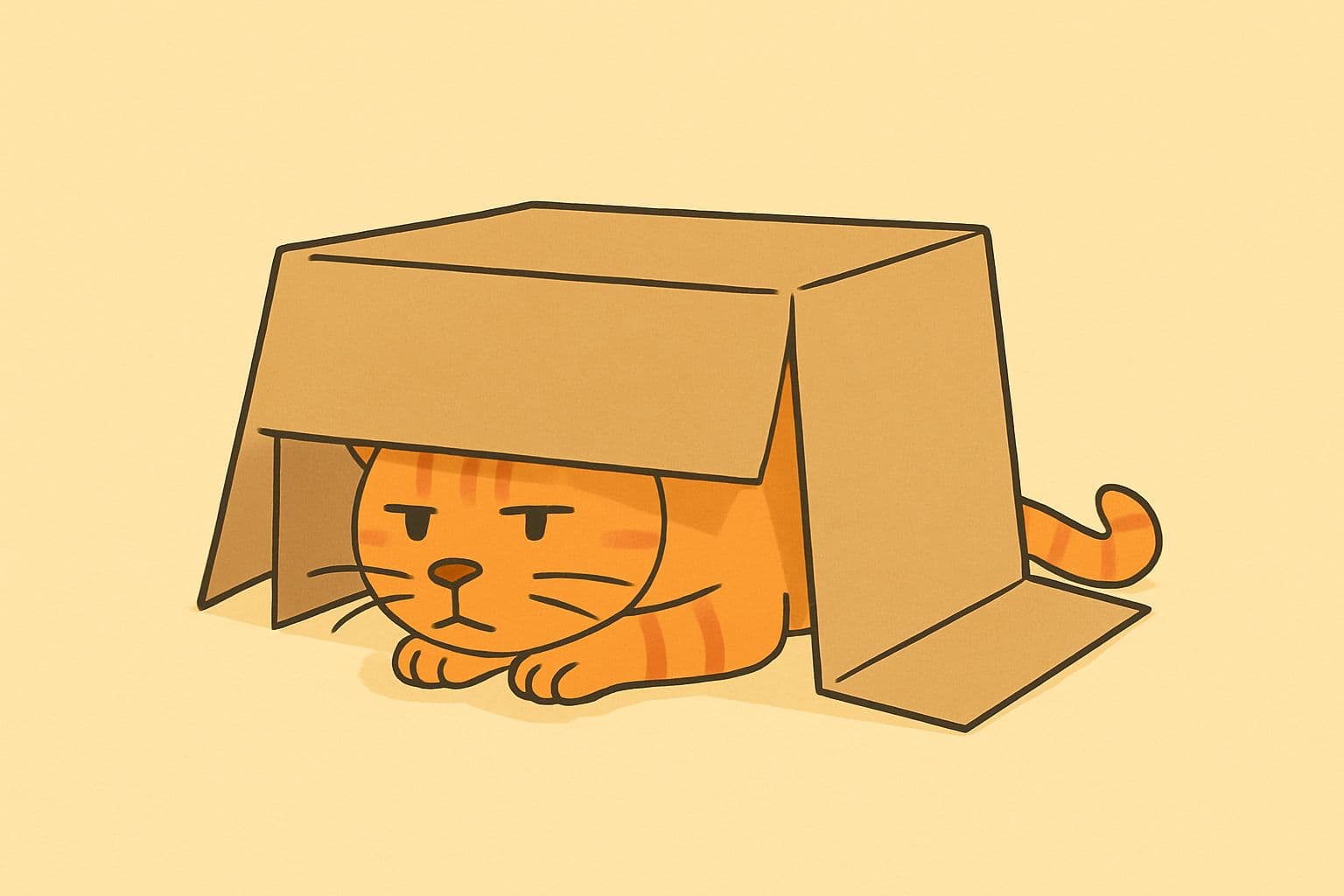
In the hierarchy of human stress, moving house is often ranked alongside divorce and bereavement. For a cat, however, a move is arguably the single most traumatic event they will ever experience. As we have discussed in previous articles, a cat’s sense of self is not just in their body; it is anchored to their territory. When you pack up your life into cardboard boxes and relocate from a cozy 3-bedroom HDB in Ang Mo Kio to a new Condo in Pasir Ris, you aren't just changing your address—you are destroying your cat's entire "map" of reality.
In Singapore’s fast-paced real estate market, moves are frequent. Whether you are an expat finishing a contract, a young couple moving into your first BTO, or a "foster-fail" hero needing more space, the logistics of moving with a feline companion require military-grade precision.
This guide provides a 1,000-word roadmap to ensuring your cat doesn't just survive the move, but actually settles into their new Singaporean sanctuary with ease.
1. The Pre-Move Phase: The "Cardboard Takeover"
The stress of a move doesn't start on the day the movers arrive; it starts the moment the first brown box is taped shut. Cats are experts at sensing "atmospheric shifts" in the home.
Desensitization to Boxes
Most cats love boxes, but the sudden appearance of fifty of them—combined with the sound of packing tape and the disappearance of familiar furniture—can trigger a "threat response."
- The Strategy: Bring boxes into the home at least two weeks before you start packing. Let them become part of the furniture. Use pheromone sprays (like Feliway) on the boxes so they smell like "home" rather than a warehouse.
- The "Safe Room": Designate one room as the "Last to Go" room. Keep your cat’s bed, litter box, and scratching post in there as long as possible. This provides a sanctuary while the rest of the house is dismantled.
2. The Logistics of the Singapore Move
In Singapore, we often deal with professional movers who are fast and efficient. While this is great for humans, the "controlled chaos" of movers walking in and out of open doors is a high-risk scenario for escapes.
Safety First: The "Do Not Enter" Sign
On moving day, the biggest danger is a cat bolting out of the front door into a busy HDB corridor or a Condo lobby.
- The Strategy: Lock your cat in a bathroom or their "safe room" before the movers arrive. Tape a massive sign to the door: "DO NOT OPEN: CAT INSIDE." Do not assume the movers will remember your verbal instructions.
- The Carrier Ritual: If your cat hates the carrier, start feeding them their meals inside the carrier (with the door open) weeks before the move. On the day, it should be a place of safety, not a "transport vessel to the vet."
3. The Transition: Changi to Jurong and Everywhere In-between
When it’s time to actually move the cat, the goal is a smooth, quiet journey.
- The Scent Anchor: Place a t-shirt you’ve recently worn inside the carrier. Your scent acts as a biological "anchor" during the transit.
- Climate Control: Singapore’s heat is relentless. Never leave your cat in a car or a moving van while you "quickly" settle things with the landlord. Heatstroke can happen in minutes. Ensure the AC is running and the cat is the very last thing to leave the old house and the very first thing to enter the new one.
4. The New Home: The "Reverse-Introduction" Protocol
The most common mistake owners make is letting the cat out of the carrier and giving them immediate access to the entire new apartment. To a cat, a 1,200-square-foot unknown space is a "Territory of Terror."
Step 1: Base Camp
Set up one room (ideally a bedroom) with everything the cat needs: food, water, litter, and their favorite scratching post. Keep them in this one room for at least 24 to 48 hours. This allows them to "claim" a small space first. When they start eating, grooming, and sleeping deeply in this room, they are ready to explore.
Step 2: The Controlled Expansion
Open the door to the rest of the house, but let the cat choose when to walk out. Do not carry them into the living room. Let them "patrol" the perimeter at their own pace.
Step 3: Pheromone Saturation
Use Feliway diffusers in the main living areas of the new home. This mimics the facial pheromones your cat would normally have rubbed onto the walls over several years. It’s like a "Welcome Home" gift for their nervous system.
5. The "New Build" and Condo Challenges
If you are moving into a brand-new BTO or a recently renovated Condo, be aware of "Off-Gassing." The smell of new paint, floor varnish, and "factory-fresh" cabinetry is incredibly strong for a cat’s nose.
- The Strategy: Open the windows (ensure they are meshed first!) to allow for maximum airflow. If the chemical smell is overwhelming for you, it is ten times worse for your cat. Avoid using strong scented candles to "mask" the smell, as this just adds more "scent pollution."
6. The Sitter’s Role in a Move
Believe it or not, a move is one of the best times to book a Lumo sitter.
The "Moving Day" Visit
If you are overwhelmed with the logistics of the move, you might not have time to sit on the floor and comfort a terrified cat. A Lumo sitter can be booked to stay with the cat in their "safe room" at the old house or wait for them at the new house to provide a familiar face (or at least a calm presence) while you deal with the movers.
Establishing New Routines
A move is a "reset button" for your cat’s habits. If you want to change their feeding schedule or move their litter box location, the move is the time to do it. A sitter can help reinforce these new routines during the first week in the new home, ensuring the cat doesn't develop "new home anxiety."
7. When Things Go Wrong: Signs of "Move-Stress"
Watch your cat closely for the first 14 days in the new Singaporean home. Look for:
- Hiding for more than 48 hours: If they aren't coming out to eat, you may need to go back to "Base Camp" basics.
- Inappropriate Urination: Often a sign that they don't feel "secure" in the new territory yet.
- Over-grooming: A classic stress response to the new environment.
If these behaviors persist, consult your vet. Sometimes a short course of anti-anxiety medication is needed to help a cat’s brain stop the "fight or flight" loop so they can finally relax.
Conclusion: Turning a House into a Home
In Singapore, we often focus on the "Property" side of a move—the stamps, the legal fees, the renovation. But for our cats, the move is an emotional journey. By slowing down, respecting their territorial needs, and providing "scent anchors," you can ensure that your cat’s transition to their new HDB or Condo is a positive chapter in their life.
After all, a house is just a collection of walls. It’s the cat sleeping soundly on the sofa that makes it a home.
Just moved and need a hand? Whether you need a sitter to help settle your cat's routine or you're planning your first trip from your new home, Club Lumo is here to help. Find a sitter in your new neighborhood today.