
The Haze Survival Guide: Protecting Your Indoor Cat’s Respiratory Health

Thomas from Club Lumo
Cat Care Specialist • 2026-03-25
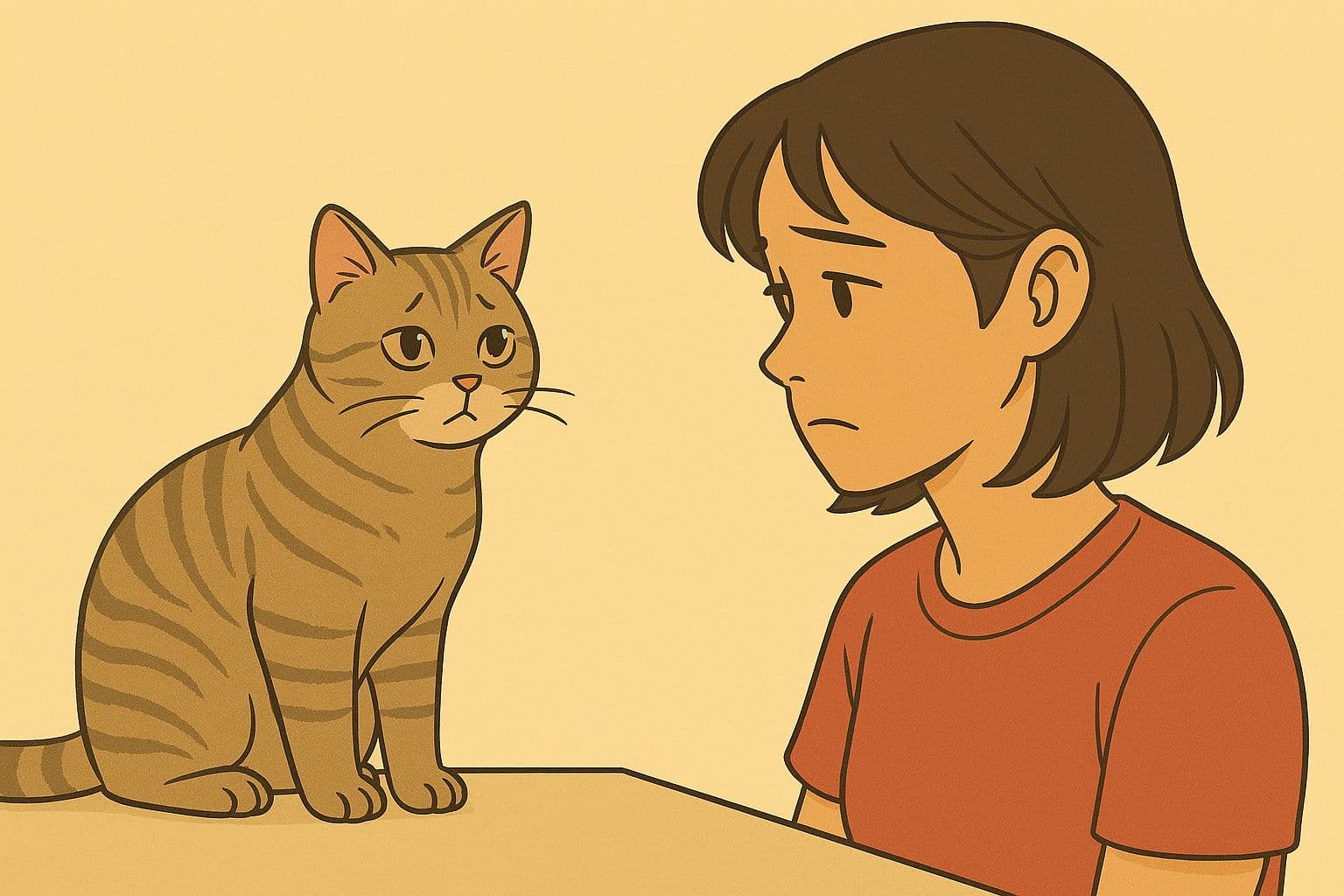
For Singaporeans, the "Haze Season" is an unfortunate but familiar part of our calendar. We monitor the NEA’s 24-hour PSI readings, reach for our N95 masks, and move our exercise routines indoors. But while we understand the source of the acrid smell and the greyish tint to the skyline, our cats do not.
Cats are remarkably sensitive to air quality. Their respiratory systems are compact, and their lungs are susceptible to the fine particulate matter (PM2.5) that characterizes the transboundary haze. In a country where the PSI can jump from "Moderate" to "Unhealthy" in a matter of hours, having a respiratory defense plan for your cat is an essential part of Singaporean pet ownership.
In this 1,000-word guide, we explore the impact of haze on feline health, the signs of respiratory distress, and how to "air-seal" your HDB or Condo for the safety of your cat.
1. The Science of PM2.5 and Feline Lungs
The primary danger during the haze season is PM2.5—fine particulate matter that is 2.5 micrometers or smaller in diameter. To put that in perspective, a single human hair is about 30 times larger than a PM2.5 particle.
Because these particles are so small, they bypass the natural filters in a cat’s nose and throat, traveling deep into the bronchioles and alveoli of the lungs. For a cat, especially one with underlying conditions like Feline Asthma or Chronic Bronchitis, exposure to these particles triggers an immediate inflammatory response. The airways constrict, mucus production increases, and the cat’s ability to oxygenate their blood decreases.
2. Recognizing Respiratory Distress
Cats are notoriously good at hiding discomfort, but respiratory struggle is difficult to mask if you know what to look for. During haze episodes, keep a close watch for the following:
- The "Haze Cough": A feline cough often looks like the cat is trying to hack up a hairball, but nothing comes out. The cat will extend their neck low to the ground and make a rhythmic wheezing sound.
- Increased Respiratory Rate: When resting or sleeping, a healthy cat should take between 15 to 30 breaths per minute. If your cat’s resting rate exceeds 40 breaths per minute during the haze, their lungs are struggling.
- Open-Mouth Breathing: This is a medical emergency. Cats are obligate nasal breathers. If your cat is panting like a dog or breathing with their mouth open, they are not "hot"—they are suffocating. Get them to a vet immediately.
- Lethargy: If your usually active cat is suddenly reluctant to move or play, it may be because any physical exertion makes it too difficult to breathe.
3. "Air-Sealing" Your HDB or Condo
When the PSI hits the "Unhealthy" range (101-200), your primary goal is to create an indoor sanctuary with the lowest possible particle count.
The Window Dilemma
In Singapore, we love our natural ventilation. However, during the haze, your open windows are an invitation for PM2.5 to settle on your furniture, your cat’s fur, and in their lungs.
- The Strategy: Close all windows and balcony doors. If you have "louvre" windows commonly found in older HDB toilets or kitchens, ensure they are shut as tightly as possible.
- The Gap Seal: Use "door snakes" or rolled-up damp towels at the base of your front door to prevent haze-filled air from the common corridor from seeping into your unit.
Air Purification: The HEPA Requirement
An air conditioner alone does not "clean" the air; it mostly recirculates it. To protect your cat, you need an air purifier with a True HEPA filter.
- Placement: Place the purifier in the room where your cat spends the most time (usually the bedroom or living room).
- The "Always On" Rule: During haze episodes, do not turn the purifier off when you leave for work. Keep it running on an "Auto" or "Medium" setting to maintain a clean air baseline.
4. Secondary Stressors: Scent and Dust
When the windows are closed and the air is stagnant, other indoor pollutants become more concentrated.
- Avoid Essential Oils and Incense: Burning agarbatti or using reed diffusers during the haze is "double-polluting" your cat’s air.
- Litter Box Dust: If you use clay litter, the dust stirred up during digging can irritate already inflamed airways. Consider switching to a low-dust tofu or wood-based litter during the haze season.
- Vacuuming: Use a vacuum with a HEPA filter. Standard vacuums often suck up fine dust and blow it right back out the exhaust, keeping the particles suspended in the air for your cat to breathe.
5. Hydration and Grooming
PM2.5 doesn't just enter the lungs; it settles on the cat's coat. When the cat grooms themselves, they ingest these particles.
- Damp Cloth Wipes: Once a day, wipe your cat down with a damp (not soaking) microfiber cloth. This removes the "haze dust" from their fur before they can lick it off.
- Boost Hydration: Keeping the mucous membranes moist helps the cat’s natural respiratory defenses. Ensure your water fountains are clean and consider adding extra "tuna water" to their meals to encourage drinking.
6. The Sitter’s Haze Protocol
If you are away during a haze episode, your Club Lumo sitter becomes your cat's "Air Quality Manager."
Our Haze SOP Includes:
- Window Audit: We ensure all windows remained closed and check for any "seepage" smells.
- Purifier Maintenance: We check the air purifier's status and clean the pre-filter if it has become clogged with dust.
- Restricted Play: If the air quality is poor, we pivot from high-energy "cardio" play (like chasing a laser) to low-energy mental stimulation (like treat puzzles). This prevents the cat from breathing heavily in sub-optimal air.
- Breath Counting: We include the cat's resting respiratory rate in our updates to give you peace of mind that their lungs are clear.
7. A Note on Feline Asthma
If your cat has already been diagnosed with asthma, the haze is a period of high risk. Ensure you have a full supply of their inhaler (e.g., Fluticasone) and a spacer (like an Aerokat). Discuss a "Haze Action Plan" with your vet, which may involve increasing their dosage temporarily when the PSI stays above 100 for more than 24 hours.
Conclusion: Breathing Easy in the Little Red Dot
The Singapore haze is a challenge, but it is a manageable one. By transforming your home into a filtered, clean-air sanctuary, you can ensure that while the world outside is grey and acrid, your cat’s world remains bright and breathable.
Protecting your cat’s lungs today ensures they won't face chronic respiratory issues tomorrow.
Worried about air quality while you're away? Our sitters are trained to manage Singapore's unique environmental challenges, from humidity to haze. Book a Lumo sitter who prioritizes your cat's respiratory health.