The Urinary Emergency: Why Your Cat’s Litter Box Habits Are a Matter of Life and Death

Yana from Club Lumo
Cat Care Specialist • 2026-03-05
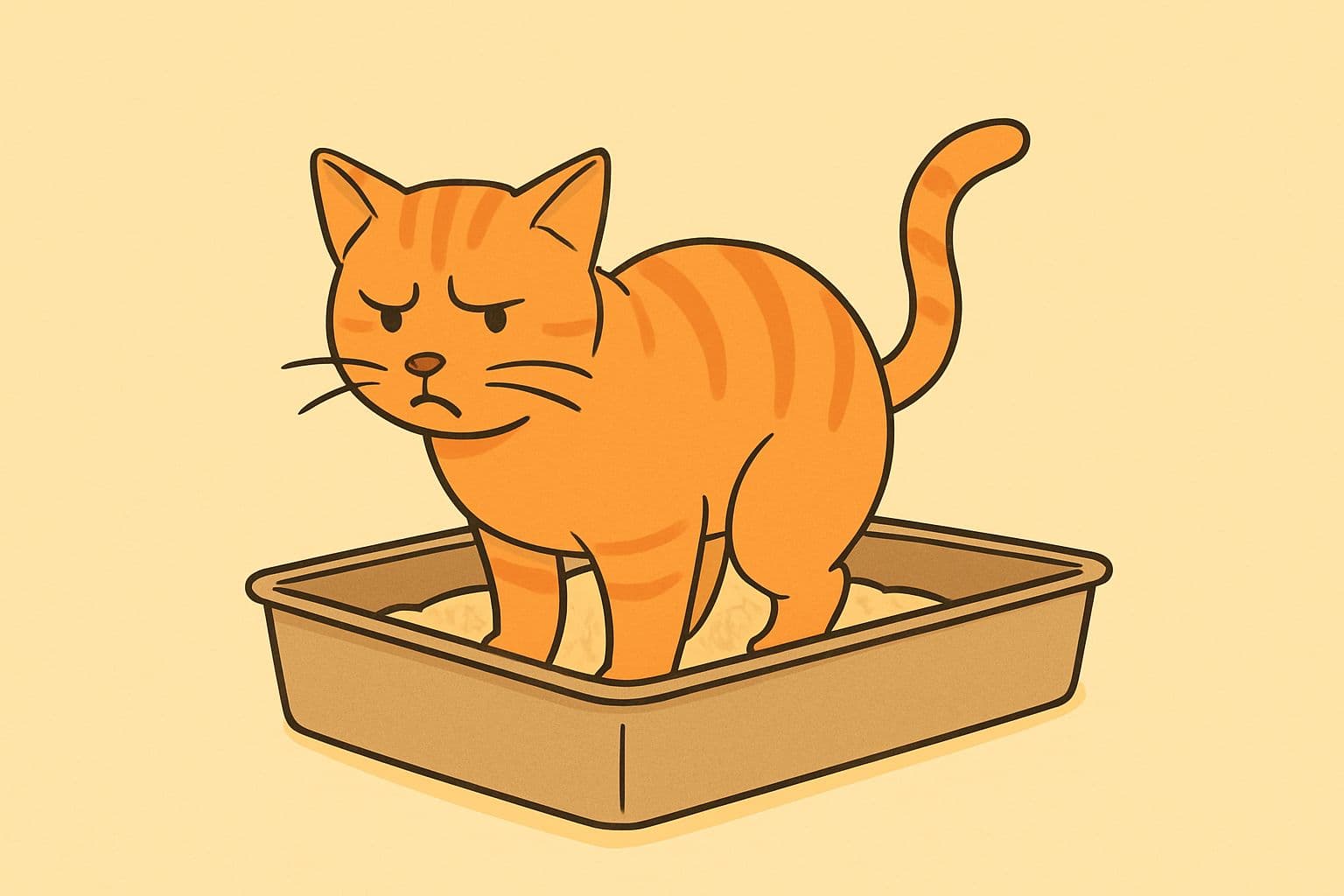
For many cat owners in Singapore, a typical evening involves the familiar, rhythmic sound of a cat digging in a litter box. It’s a background noise we usually ignore—a sign that the household is functioning as it should. But for those who have experienced the terror of a urinary blockage, that sound becomes a source of hyper-vigilance. You find yourself stopping what you’re doing, tilting your ear toward the bathroom, and counting the seconds. Is he just digging? Is he straining? Did I hear a clump hit the clay?
Feline Lower Urinary Tract Disease (FLUTD) is an umbrella term for several conditions that affect a cat’s bladder and urethra. In our tropical climate, where dehydration is a constant risk and indoor high-rise lifestyles are the norm, urinary health is perhaps the most critical medical topic a cat parent can master. Specifically, for male cats, a urinary "blockage" is not just an inconvenience—it is a surgical emergency that can become fatal within 24 to 48 hours.
This guide explores the science of FLUTD, the unique environmental risks of living in Singapore, and how you (and your sitter) can act as a first line of defense.
1. Understanding FLUTD: What Is Happening Inside?
FLUTD isn't a single disease; it’s a category. It includes bladder stones, crystals (urolithiasis), bacterial infections (UTIs), and the most common and mysterious form: Feline Idiopathic Cystitis (FIC).
To understand the danger, we have to look at anatomy. Female cats have a short, wide urethra, which makes them prone to infections but rarely to life-threatening blockages. Male cats, however, have a long, narrow, and tapering urethra.
In cases of FIC, the cat’s nervous system triggers a sterile inflammation of the bladder wall. Think of it like a severe, painful "blush" on the inside of the bladder. This inflammation causes the protective lining (the GAG layer) to slough off, creating mucus and debris. If the cat also has microscopic crystals in their urine—often caused by diet or dehydration—this debris can clump together to form a physical "plug."
Once a cat is blocked, they cannot expel urine. This causes the bladder to expand like a balloon, eventually backing up pressure into the kidneys. Toxins that should be flushed out—most notably potassium—begin to build up in the bloodstream. High potassium levels (hyperkalemia) eventually interfere with the electrical signals in the heart, causing it to slow down and eventually stop. This is why a cat that cannot pee is a medical priority above almost any other condition.
2. The Singapore Factor: Why Local Cats are at Higher Risk
Singapore’s environment creates a "perfect storm" for urinary issues, particularly for indoor-only cats.
The Dehydration Trap
Singapore’s average humidity sits around 80%, and temperatures frequently hit 32°C. While most cats live in air-conditioned or fan-cooled HDBs and Condos, they are still prone to sub-clinical dehydration. Cats have a low thirst drive; they evolved from desert dwellers who obtained most of their moisture from prey. In a modern apartment, a diet of 100% dry kibble combined with Singapore's heat means many cats are constantly on the edge of dehydration. This results in highly concentrated urine, which is the ideal breeding ground for struvite and calcium oxalate crystals.
The "Dry Food" Culture
Many Singaporean households rely on "free-feeding" dry biscuits for convenience. Kibble is usually only 10% water, whereas wet food is closer to 80%. A cat on a dry-only diet consumes significantly less total water than a cat on a wet-diet, even if they drink frequently from a bowl. In our heat, that 70% difference in moisture content can be the difference between a healthy bladder and a surgical emergency.
High-Rise Stress
As discussed in our previous articles, Singaporean cats live in a high-sensory environment. Construction noise, thunderstorms, and the scent of neighborhood cats in the corridor are major triggers for FIC. When a cat feels threatened, their body releases stress hormones that directly impact the bladder lining. In the densely packed neighborhoods of Toa Payoh or Jurong, the sheer number of environmental triggers can keep a cat in a state of chronic, low-grade bladder inflammation.
3. How to Spot the Signs: The "Litter Box Watch"
Because cats are masters of hiding pain, the symptoms of a urinary issue are often subtle until the situation is dire. You must look for changes in behavior, not just obvious signs of physical illness.
The Red Flags:
- Frequent Trips: If your cat is going to the litter box every 10 minutes but only producing a few drops (or nothing at all), this is a major warning sign.
- Straining and Crying: If your cat is vocalizing or letting out a low, painful moan while in the box, they are in immediate distress.
- Licking the Genitals: Excessive grooming of the "private area" is a sign of intense irritation or the sensation of a physical blockage.
- Urinating Outside the Box: Often, a cat associates the litter box with pain. They will try to pee on "cool" surfaces like floor tiles, the kitchen sink, or your bed, hoping it will hurt less.
- Bloody Urine: Any pinkish or reddish tint to the urine requires an immediate vet visit.
The "Sitter Check": When you are on vacation, a Club Lumo sitter doesn't just scoop the litter. We perform what we call a "Clump Audit." We check the size and frequency of urine clumps. If a sitter notices the clumps are getting smaller or the cat is hovering over the box without results, we initiate emergency protocols immediately. This level of observation is what prevents "vacation tragedies."
4. Prevention: The Lumo Hydration Strategy
Preventing FLUTD is significantly cheaper and less stressful than treating a blockage, which can cost upwards of $2,500 to $5,000 in Singaporean emergency clinics once hospitalization and catheterization are factored in.
Transition to Wet Food
The most effective way to prevent urinary issues is to "flush" the bladder constantly. Switching to a high-quality wet food ensures your cat is hydrated through their meals. If your cat is a "kibble addict," try adding a tablespoon of warm water to their biscuits to create a "gravy."
Water Fountain Placement
In nature, standing water is often contaminated. Cats instinctively prefer running water. A stainless steel or ceramic water fountain is a must-have for Singaporean homes. Pro tip: Place the water away from the food bowl. Cats in the wild don't like to drink where they kill their prey, as the water might be tainted. Placing fountains in different rooms encourages "opportunistic drinking."
Environmental Enrichment
Since stress is a primary trigger for bladder inflammation (FIC), keeping your cat mentally stimulated is a medical necessity. Use vertical trees, window perches, and puzzle feeders to keep their minds engaged and their cortisol levels low.
5. What to Do in an Emergency
If you suspect your cat is blocked, do not wait for the morning.
- Check the Bladder: If you are comfortable doing so, gently feel your cat's abdomen. A blocked bladder feels like a hard, painful orange or a golf ball. A healthy, empty bladder is soft and difficult to find.
- Contact a 24-Hour Clinic: In Singapore, ensure you have the numbers for 24-hour emergency vets (like Beecroft, VES, or Westside) saved in your phone.
- Notify Your Sitter: If you are away, your sitter should have your "Emergency Authorization" on file so they can rush the cat to the vet without waiting for you to wake up in a different time zone.
6. The Post-Blockage Life
Once a cat has been blocked, they are statistically more likely to block again due to scarring or continued crystal formation. This usually requires a lifelong switch to a Prescription Urinary Diet (like Royal Canin S/O or Hill’s c/d). These diets are specially formulated to dissolve certain types of crystals and manage the pH of the urine to prevent new ones from forming.
At Club Lumo, we have a dedicated "Medical SOP" for cats with a history of FLUTD. We monitor these cats with extreme care, ensuring they never miss a dose of their anti-anxiety meds or their specialized meals.
Is your cat's health in safe hands? Our sitters are trained to monitor the subtle "clues" in the litter box that save lives. Don't leave your cat's urinary health to chance while you travel. Find a medically-informed sitter in your neighborhood today.